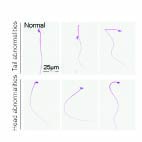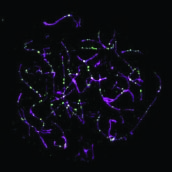

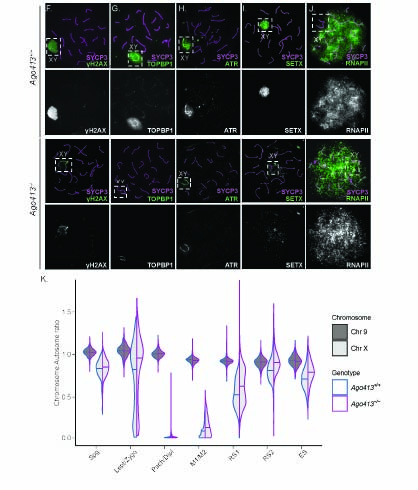
A new study from the Cohen and Grimson Labs, published in PLOS Genetics and led by Mercedes Carro and Alexis Dziubek, uncovers an unexpected nuclear role for Argonaute proteins in controlling the male germline. Argonautes are best known for partnering with small RNAs to regulate gene expression in the cytoplasm. The study shows that AGO3 and AGO4 instead accumulate on meiotic chromosomes—including the X and Y chromosomes—and help orchestrate Meiotic Sex Chromosome Inactivation (MSCI), the remarkable process that shuts down sex-chromosome transcription during sperm development. When AGO3 and AGO4 function is disrupted, sex-chromosome silencing breaks down and the carefully timed transcriptional program of spermatogenesis begins to unravel: genes needed much later for sperm maturation are switched on too early, leading to reduced sperm production, abnormal sperm morphology and impaired fertilization.
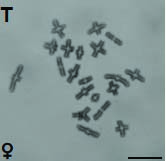
The study goes further, using single-cell RNA sequencing, single-cell multiome analysis, proteomics and cytogenetics to reveal an unexpectedly dynamic relationship between chromatin structure and gene silencing during meiosis. Remarkably, the X and Y chromosomes undergo major changes in chromatin accessibility even while they are transcriptionally silenced, and loss of AGO3/AGO4 disrupts this organization before obvious changes in gene expression appear. The team also found that AGO3 and AGO4 associate with nuclear transcriptional and chromatin-remodeling machinery—including factors such as SMARCA4, CTCF and RNA polymerase II components—providing compelling evidence that mammalian Argonautes have direct functions in nuclear gene regulation far beyond their classical roles in microRNA biology. Together, the work reveals a previously hidden layer of control that coordinates chromosome silencing, chromatin organization and the developmental timing required to produce functional sperm.
Read the open-access paper: Carro et al., PLOS Genetics (2026) — “Argonaute proteins orchestrate Meiotic Sex Chromosome Inactivation and timing of the spermatogenic transcriptional program”